Wisedrv bridges the gap between manufacturing capabilities and procurement needs, authoring in-depth technical articles, whitepaper analyses, and troubleshooting guides focused on cost control and lead time management. Need a custom solution? Contact Wisedrv directly.
Wisedrv | Senior Application Engineer & Industry Specialist
In today’s industrial landscape, sustainability is a competitive necessity. The pursuit of electrical drive system efficiency has become a primary procurement driver, yet the market is flooded with misleading claims. Whether managing heavy industrial machinery or advanced electric vehicle drive system fleets, selecting the right equipment requires looking beyond datasheets. A mere 1% efficiency gain can save thousands annually, while common procurement traps can inflate maintenance costs and destroy ROI. This guide identifies three critical traps B2B buyers face to help secure genuine performance.

Trap #1: The Component-Only Fallacy
The most frequent mistake is focusing on individual component ratings rather than holistic electrical drive system efficiency. While an IE5 motor looks impressive on paper, it cannot compensate for a mismatched drive or high-friction transmission. This principle applies universally, from massive industrial pumps to compact electric bicycle drive systems. In electric bike drive systems, pairing a high-torque motor with an unoptimized controller can drastically reduce range and lifespan. True efficiency relies on the entire chain: power supply, drive, motor, and load. Buyers must demand wire-to-shaft data to ensure suppliers account for integration losses, providing a realistic projection of energy consumption.
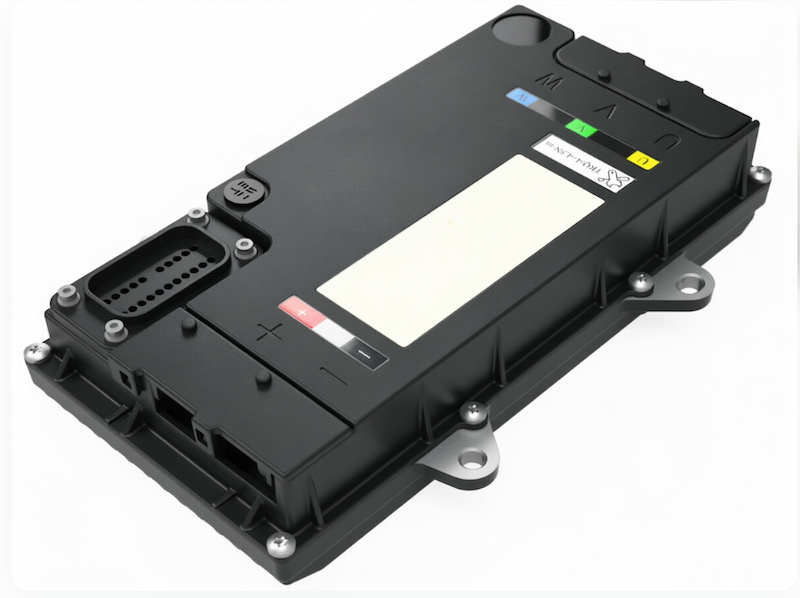
Trap #2: Ignoring the Efficiency Curve and Partial Load Realities
Datasheets often highlight Peak Efficiency at 100% load, a classic marketing trap. In reality, most electric drive systems, whether in HVAC, conveyors, or an electric drive propulsion system for commercial transport, operate primarily under partial load. A system rated 96% efficient at full load might drop to 75% at half speed. If your process runs at partial load 80% of the time, peak figures are irrelevant. High-quality solutions maintain a flat efficiency curve. For instance, permanent magnet motors excel in these scenarios, a trait crucial for both industrial variable loads and the stop-and-go nature of electric vehicle drive system operations. Always match the efficiency profile to your specific duty cycle to avoid paying for unused performance.
Trap #3: The Oversizing Security Blanket – The Silent Efficiency Killer
Many technical leads oversize equipment for safety, believing a larger system offers a buffer. This is a silent killer of electrical drive system efficiency. Components reach their thermal and electrical sweet spot near rated capacity. Running a large system at a fraction of its capacity increases internal losses, essentially paying to energize unused copper and steel. This inefficiency creates ripple effects: larger motors have higher inertia and lower power factors when underloaded, leading to utility penalties. Instead of arbitrary safety margins, adopt a Right-Sizing approach backed by data. Invest in drives with superior overload capabilities to handle peaks without sacrificing day-to-day efficiency, ensuring ROI projections manifest in financial reports.
Beyond these traps lies the issue of integration complexity. Buying components from different vendors often results in a Frankenstein setup where parts communicate poorly, causing hunting that wastes energy and increases wear. A unified approach to electrical drive system efficiency ensures drive algorithms are perfectly tuned to the motor’s characteristics. This synergy yields the final 3-5% of efficiency gains. Pre-engineered, integrated packages, common in modern electric drive propulsion system designs, reduce commissioning time and stabilize energy consumption. In the B2B world, the hidden costs of troubleshooting multi-vendor systems often eclipse initial savings. Prioritize a single point of accountability for guaranteed powertrain efficiency.
Avoiding these traps requires shifting from a Purchasing to a Lifecycle Management mindset. The goal is the lowest Total Cost of Ownership over 10-15 years. As regulations on carbon emissions tighten, organizations mastering electrical drive system efficiency will secure the healthiest margins. Transparency is key; modern systems should provide real-time analytics directly to your dashboard. Whether optimizing a factory floor or a fleet of electric bicycle drive systems, factory-matched solutions help bypass common pitfalls, excelling in real-world, partial-load conditions to deliver genuine, measurable efficiency.
Would you like a customized ROI calculation template or a System Integration Checklist to help your team evaluate current performance?