The transition from independence to integration
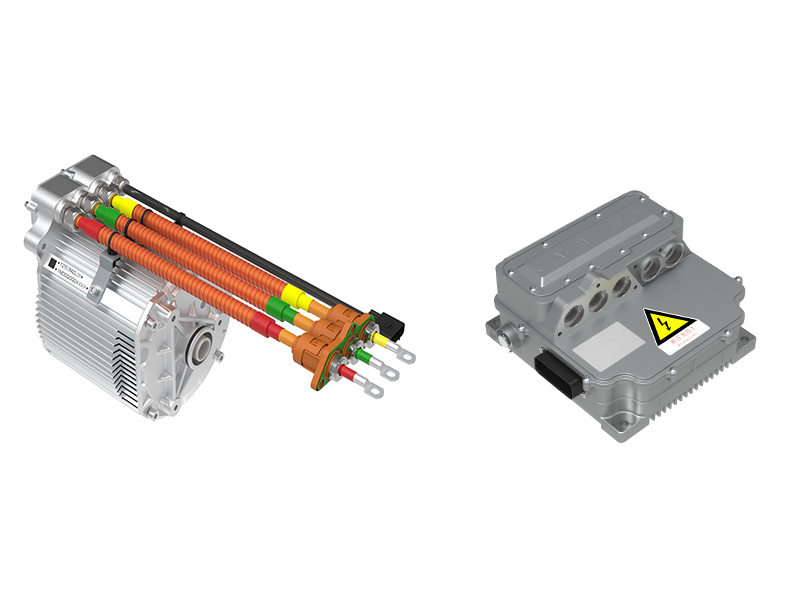
Extended-range electric vehicles are developing rapidly. Unlike other electric vehicles, extended-range electric vehicles need to be equipped with a small engine as a generator to charge the battery during driving. The early designs placed the generator and its motor controller separately and connected them together through long cables and independent cooling circuits. However, in the new generation of extended-range electric vehicles, an integrated generator controller is required - this is due to the core requirements in actual operation.
Space and weight savings
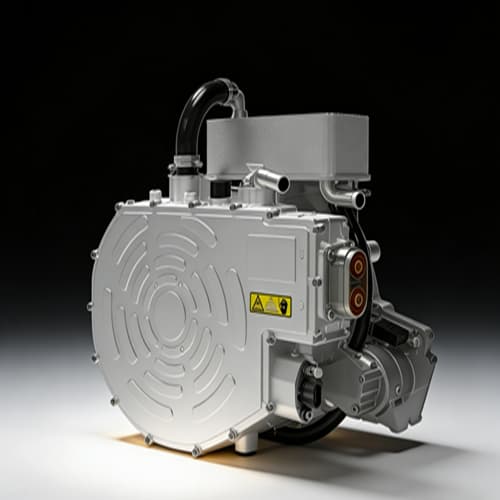
The "generator + controller" two-in-one device produced by our company can be directly connected to the crankshaft of the engine without the need for cumbersome cables or redundant enclosures. For dedicated electric range-extended vehicles or electric vertical take-off and landing aircraft, every kilogram and every cubic centimeter is of great significance. This direct connection method reduces the total mass of the drive system in electric vehicle, making room for more battery cells or cargo. Our device achieves a system efficiency of 94.5%, which means less energy is wasted in the form of heat, and the range of each charge is also longer.
Reliability gains in real driving
When the external cables and connectors are removed, the reliability of the equipment will be significantly enhanced. The traditional split layout is prone to problems such as corrosion, attenuation of shielding performance, and electromagnetic interference. Our two-in-one solution is directly connected to the engine crankshaft as a whole. This design significantly shortens the power circuit, reduces parasitic inductance, and significantly reduces electromagnetic interference. For the operators of extended-range special vehicles and electric vertical take-off and landing aircraft, this can effectively reduce the possibility of unexpected shutdowns.
Management of thermal performance
Thermal management is also another advantage of the two-in-one solution.
Our device uses a liquid cooling method (with a water-ethylene glycol ratio of 50/50), and the generator and controller share a single cooling system. The silicon carbide power module inherently has good thermal performance, and when combined with a shared cooling plate, it can efficiently dissipate heat for both heat sources simultaneously. After actual testing, this 69/73 kilowatt product was able to achieve a peak torque of 120-130 newton-meters and a peak speed of 5800 rpm without underclocking in a high-temperature environment. This reliability is of vital importance for special vehicles or eVTOLs that operate under extreme load conditions.
Low-altitude flight domain
The same integrated design concept is also applicable to electric drive systems for uavs and electric vertical take-off and landing aircraft. The core requirements of these two devices are similar, both needing to integrate power generation and control functions into a compact and sturdy structure. Our independently developed two-in-one product platform, with an IP67 protection level, achieves the sensing of rotor positions through a rotary transformer and can meet the requirements for vibration resistance and sealing protection of eVTOL and drone electric drive systems. This cross-scenario application capability also indicates the importance of integrated design in the development of mobile electrification.
The establishment of the new standard
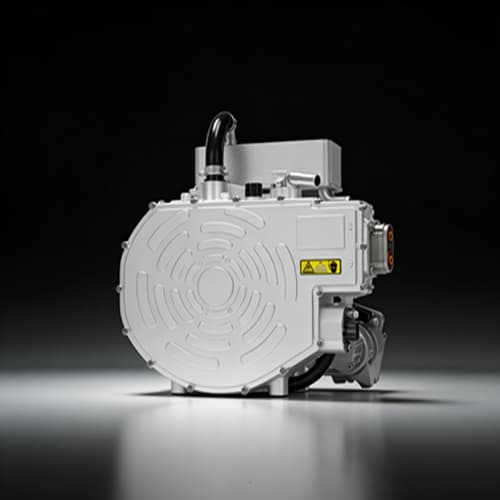
The new generation of long-range vehicles require integrated generator controllers because they are lighter, more reliable, and have better heat dissipation performance. Nowadays, both automotive companies and eVTOL research teams no longer consider integration as an optional feature, but rather as a necessary technical requirement.
As electric vehicle drive systems continue to upgrade, generators and controllers will eventually be integrated into an integrated intelligent power module. For us, motor controller manufacturers, this trend has already become a reality. Our two-in-one product mounted on the crankshaft can achieve a working efficiency of 94.5%, precisely tailored for this development direction.


 Product categories