Four-wheel steering (4WS) has evolved into a key feature for enhancing the flexibility and stability of vehicles. By allowing the rear wheels to turn in coordination with the front axle, 4WS can significantly reduce the turning radius at low speeds and enhance the vehicle's stability during high-speed lane changes. However, this complex chassis system also brings a non-negligible safety requirement: the two rear wheel actuators must rotate synchronously. Even a deviation of just a few degrees can affect the vehicle's handling and cause danger. In extreme cases, it may even lead to the vehicle completely losing its directional control.
Synchronous Control Must Be Error-free
In actual driving scenarios, the margin for error is extremely limited. Imagine a driver making an emergency lane change on a slippery highway. The electronic stability control system (ESC) of the vehicle will calculate the ideal rear wheel angle within milliseconds and send instructions to the left and right rear wheel actuators. If these two motors cannot simultaneously reach the target position, the rear axle will experience an unexpected torque deviation, counteracting the intended driving route that the driver had in mind. This is where motor synchronization control becomes a safety-critical function. True synchronization means that both actuators will reach the set angle at the same time and follow the same trajectory, effectively making the rear axle behave like a single and predictable integrated component.
The Function Of The Brushless Motor Controller
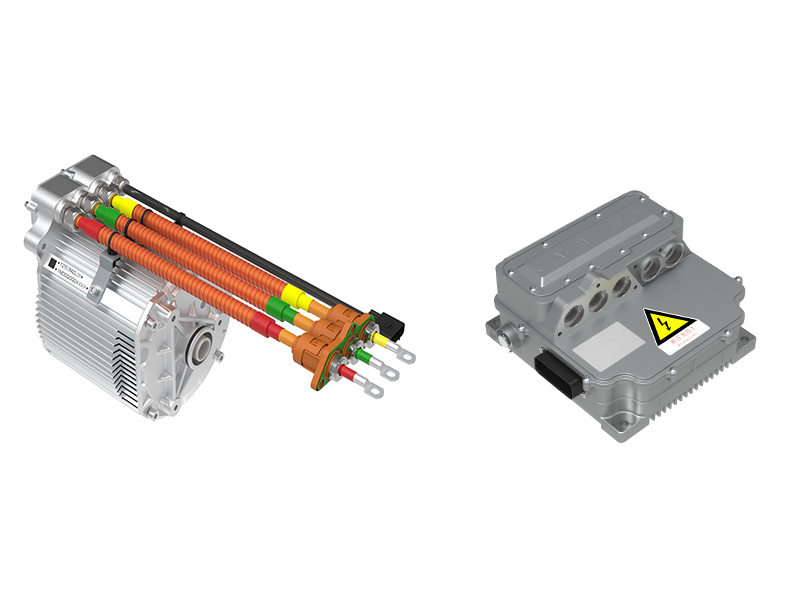
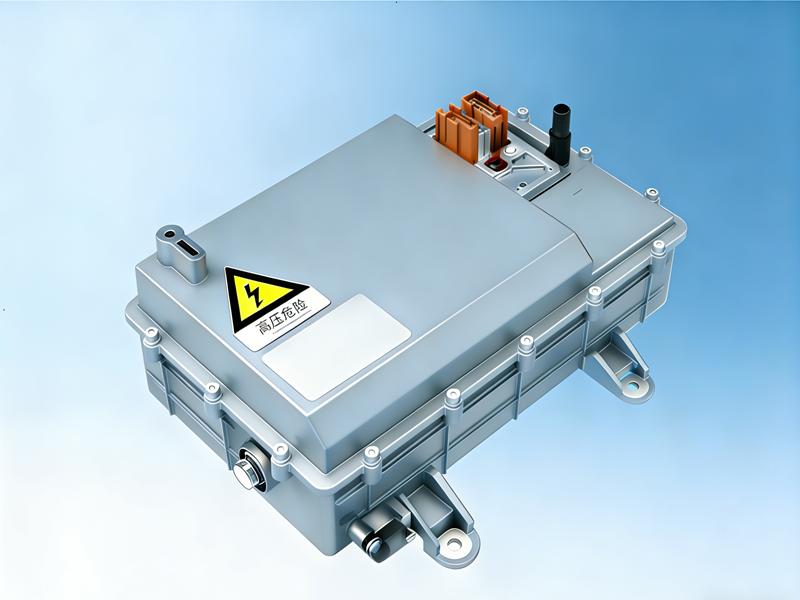
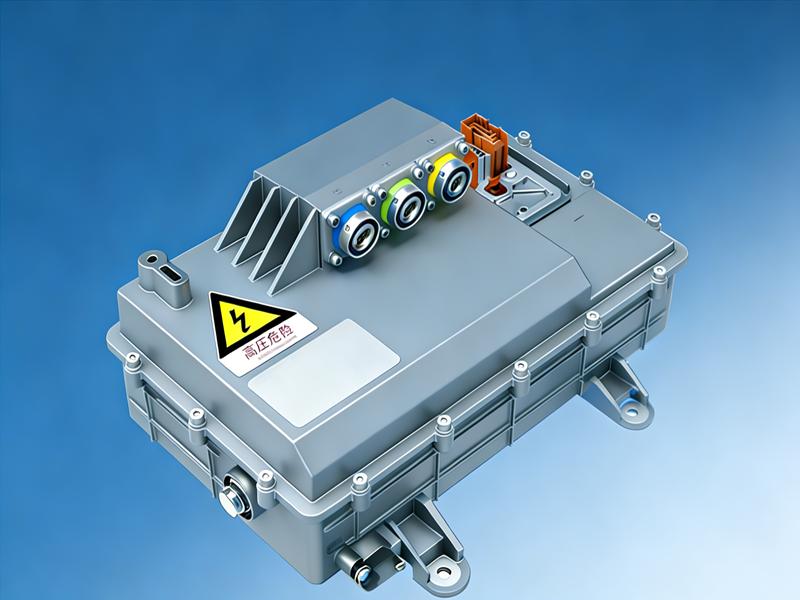
The actual execution of this task is carried out by the brushless motor controllers that drive each actuator. When selecting components for such safety-critical applications, a reliable brushless motor with a speed controller forms the basis of the entire execution system.
The Value of Synchronous Control is Manifested As Follows
Apart from emergency situations, daily driving safety is still influenced by synchronized control measures.For instance, when parallel parking on a congested road, the driver uses a smaller turning radius to enter a narrow parking space.If there is any slight inconsistency in the rotation of the rear wheels, the turning radius will unexpectedly increase, which may cause the vehicle to hit the curb or enter the lane.Synchronize the rear wheel steering to ensure that the vehicle can handle different levels of grip between the left and right wheels on slippery, snowy, or icy roads, allowing it to move in the direction it needs to go.
For automobile manufacturers and first-tier suppliers, synchronization is not only about comfort but also directly relates to safety. If operated properly, motor synchronous control can transform the four-wheel steering technology into a reliable active safety system, rather than an additional convenience feature. As vehicle architecture voltages continue to increase and chassis electronic systems become increasingly complex, precise and fault-tolerant synchronous control has become a core competitiveness for suppliers.In the four-wheel steering system, the coordinated control of each component plays a crucial role. It plays a crucial role in ensuring the stability and safety of the vehicle when it is operating under extreme conditions.


 Product categories