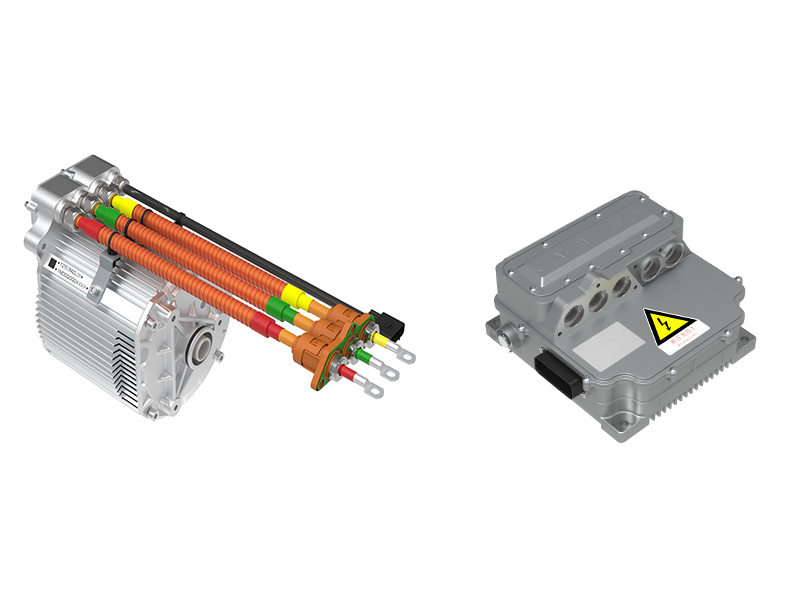
By 2026, the conversation around e-bike performance will have shifted. It won’t just be about how big the battery is or how fast the bike can go; the real differentiator will be how well the system handles heat. For manufacturers, thermal management can no longer be an afterthought—it has to be the foundation of how we build drive systems.
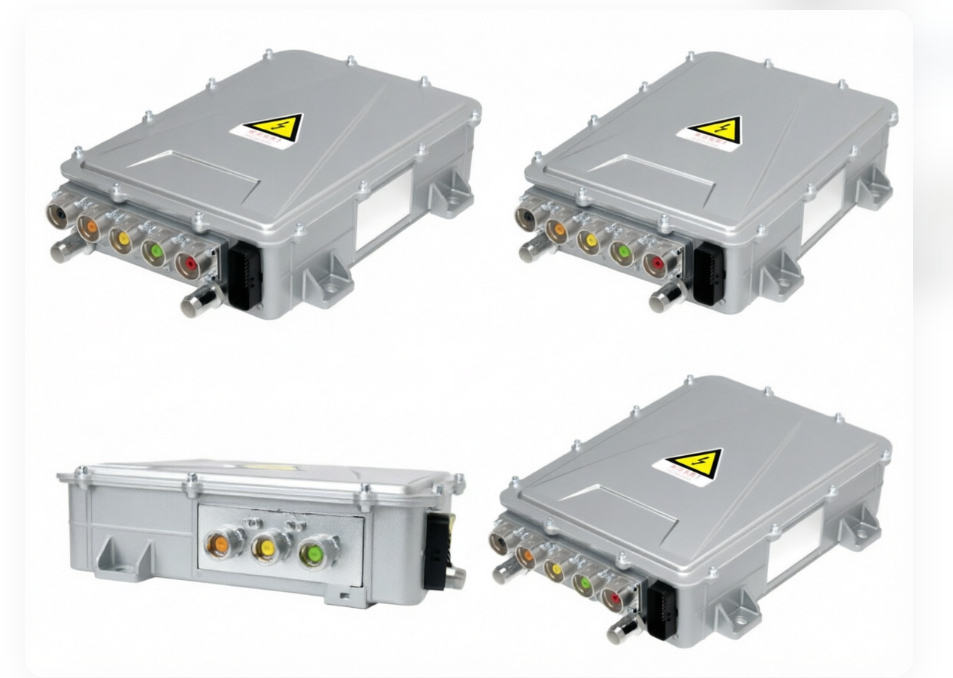

Rethinking Internal Architecture with Smarter Materials
The first move is to go back to the drawing board on internal design and tackle heat right where it starts. We’re seeing huge gains by switching to high-grade silicon steel, which drastically cuts down on eddy current losses, paired with micro-channel cooling jackets that circulate liquid directly around the stator. The numbers don’t lie: in our lab, this direct liquid cooling setup holds steady at 65°C even under heavy loads, while traditional air-cooled units spike dangerously to 115°C. By using CFD simulations to hunt down and eliminate hot spots, we aren’t just building motors that run cooler; we’re building them to last.
Turning the Frame into a Heat Sink
Once the inside is sorted, the next challenge is making the outside work harder. The motor casing shouldn’t just be a shell; it needs to be an active part of the cooling system. We’re designing fins that actually catch the wind at typical riding speeds, boosting passive cooling efficiency by nearly 30%. But the real game-changer is treating the connection between the motor and the frame as a thermal bridge. By using high-conductivity materials at the mounting points, we can bleed excess heat straight into the bike’s frame, effectively turning the whole chassis into a giant radiator. In field tests, this approach dropped peak temperatures by 18°C during grueling climbs—all without draining a extra watt of battery power.
Step 3: Letting Software Manage the Heat
Hardware gets you far, but smart software is what keeps you there. Instead of those frustrating moments when the motor just cuts out because it’s too hot, modern systems need to be proactive. We’re implementing predictive algorithms that gently ease off the torque as temperatures climb, smoothing out the power delivery before things get critical. By embedding precise sensors deep within the motor, the system builds a live thermal map, adjusting current limits on the fly to prevent shutdowns even under extreme stress. Plus, this constant stream of data means the bike can warn you about wear and tear—like a failing bearing—long before it leaves you stranded.
beating overheating isn’t about one magic fix. It takes a blend of better materials, smarter mechanical design, and intuitive software. As the market gets more crowded, the brands that figure out how to deliver consistent power without burning up will be the ones leading the pack.


 Product categories