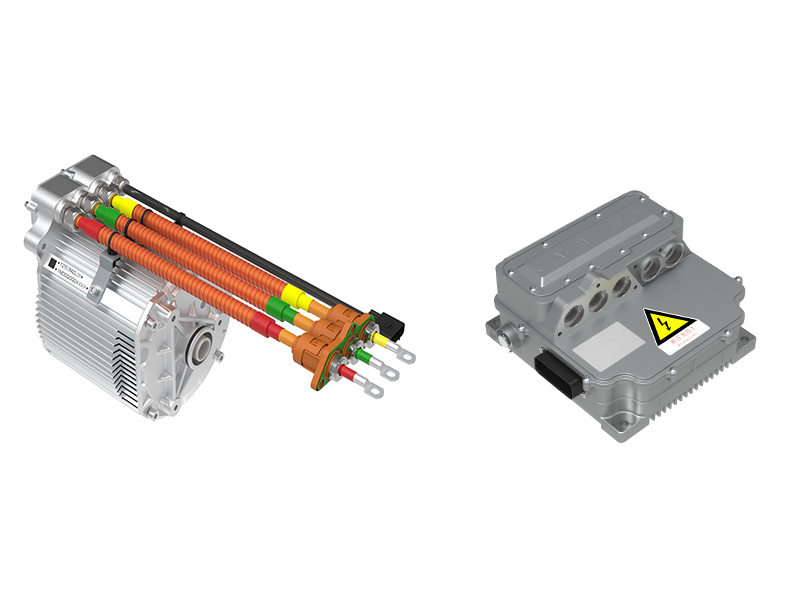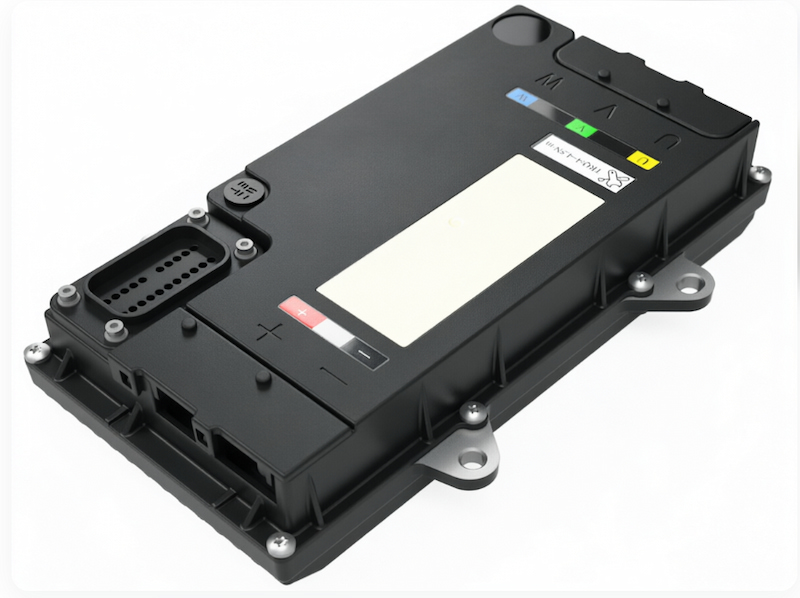
The service life of a drive system is influenced by a multitude of factors, with thermal cycling, vibration, and electrical transients being the primary culprits affecting the longevity of an electric vehicle drive system. To achieve that critical 20% extension in service life, operators must move beyond generic maintenance protocols. It all begins with a profound understanding of specific torque demands and environmental stressors—such as dust, moisture, and extreme temperatures—to develop tailored cooling and lubrication strategies. This is the essential first step in maximizing your Return on Investment (ROI).

Optimizing Thermal Management to Enhance Electrical Drive System Efficiency
Heat is the ultimate adversary for electrical insulation and bearing grease. The rule of thumb is stark: for every 10°C rise above the design limit, motor winding life is cut in half. Effective thermal management isn’t just about topping off coolant; it requires calibrating sensors to ensure the system “de-rates” (lowers power) before damage sets in. In high-performance setups, maintaining liquid cooling loops free of air bubbles and mineral deposits is non-negotiable. By keeping the system within its optimal temperature range, you significantly slow the degradation of permanent magnets and internal copper windings, directly preserving efficiency.
The Critical Role of Power Electronics in Electrical Machines Drives and Power Systems
The inverter serves as the drivetrain’s brain. While modern wide-bandgap semiconductors like Silicon Carbide (SiC) boost efficiency, they also introduce high-frequency switching stresses. The key to longevity here is managing “Power Quality” on the DC bus. High-voltage ripples can prematurely kill film capacitors, often the weakest link in an aging unit. Regular checks on DC-link voltage stability are essential. Furthermore, keeping PWM firmware updated optimizes switching patterns, reducing skin effect and eddy current losses. This tight synchronization between software and hardware is what separates a five-year asset from a ten-year one.
Lubrication and Mechanical Integrity of Electric Bike Drive Systems
Whether dealing with industrial units or urban micro-mobility, mechanical wear remains a primary failure point. Mid-drive motors in electric bikes face immense chain-pull forces and torque spikes, making precision lubrication with high-grade synthetic greases vital. For larger commercial vehicles, the strategy shifts to periodic oil analysis rather than simple changes. By examining metal shavings and chemical breakdown in the lubricant, fleets can predict bearing failures months before a catastrophic breakdown occurs. This proactive approach is the secret to squeezing extra life out of the gearbox.
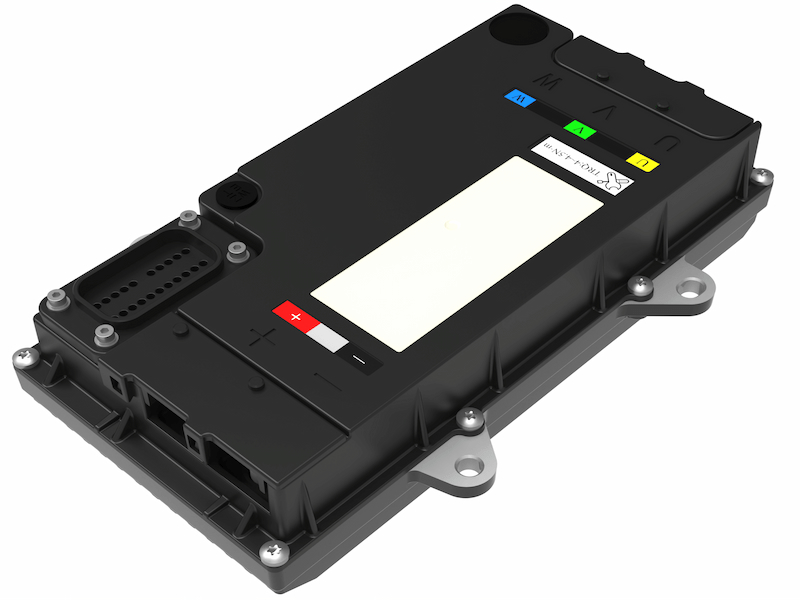
Managing Voltage Transients and Shielding in Electric Drive Propulsion System
The massive current shifts from battery to wheels can create electromagnetic interference (EMI) and reflected waves, leading to “bearing currents.” This phenomenon causes electricity to arc across the thin oil film in motor bearings, creating microscopic pitting that eventually leads to noise, vibration, and seizure. To combat this, grounding brushes or rings need annual inspection. Equally important is the integrity of high-voltage cable shielding and the motor housing’s Faraday cage. Proper shielding isn’t just a safety compliance issue; it prevents the invisible electrical erosion that silently shortens mechanical life.
Advanced Diagnostics: Using Telemetry to Monitor Electric Drive Systems
“Running to failure” is an obsolete strategy in the age of Industry 4.0. Modern controllers generate vast amounts of data via the CAN bus, yet much of it goes unused. By implementing cloud-based telemetry, fleet managers can spot outlier behaviors—such as a motor drawing slightly more current than its peers for the same torque output. These anomalies often signal increased internal friction or phase imbalance. Early intervention, like re-aligning a shaft or replacing a worn connector, can prevent a total system replacement. Shifting to this data-driven, predictive mindset is the most cost-effective way to secure that 20% lifespan increase.
Environmental Protection and Sealing Standards for Commercial Drivetrains
Commercial fleets often operate in harsh environments, from salt-sprayed coastal roads to dusty construction sites. While manufacturers equip drives with IP67 or IP6K9K ratings, these seals degrade over time due to UV exposure and improper cleaning. A secondary inspection of all gaskets and cable entry points every two years is highly recommended. Moreover, maintenance staff must be trained on proper cleaning techniques; high-pressure washing can force water past seals, especially in smaller units. Ensuring a dry, clean internal environment is a prerequisite for any component expected to last a decade in the field.
A Holistic Approach to Powertrain Sustainability
Extending the life of an electric vehicle drive system isn’t the result of a single fix but the accumulation of disciplined engineering practices and proactive care. From high-level power system management down to the specifics of lubrication in micro-mobility, every detail matters. By focusing on thermal control, power quality, and predictive diagnostics, fleets can ensure their vehicles stay on the road longer, work harder, and cost less over their lifecycle. Manufacturers provide the hardware, but it is the operator’s commitment to running that hardware within its design intent that ultimately unlocks the full 20% bonus in service life.

 Product categories