The previously overlooked key components
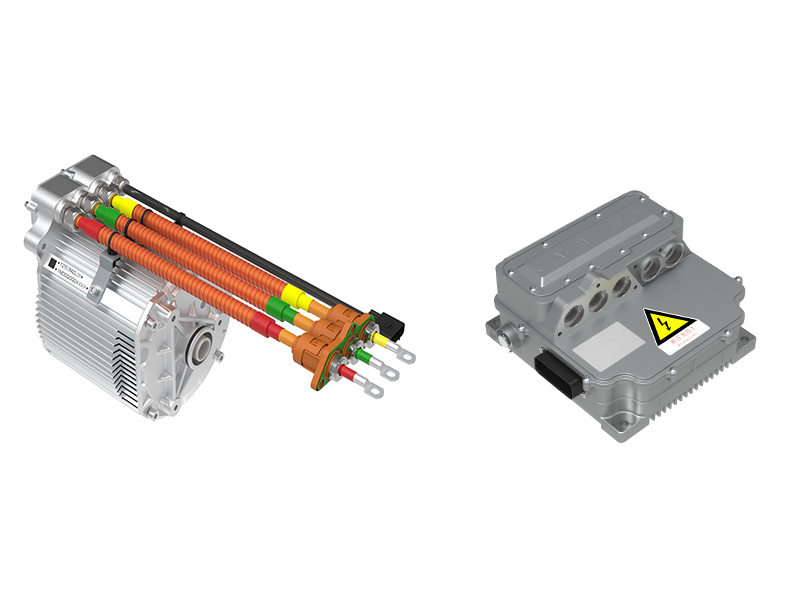
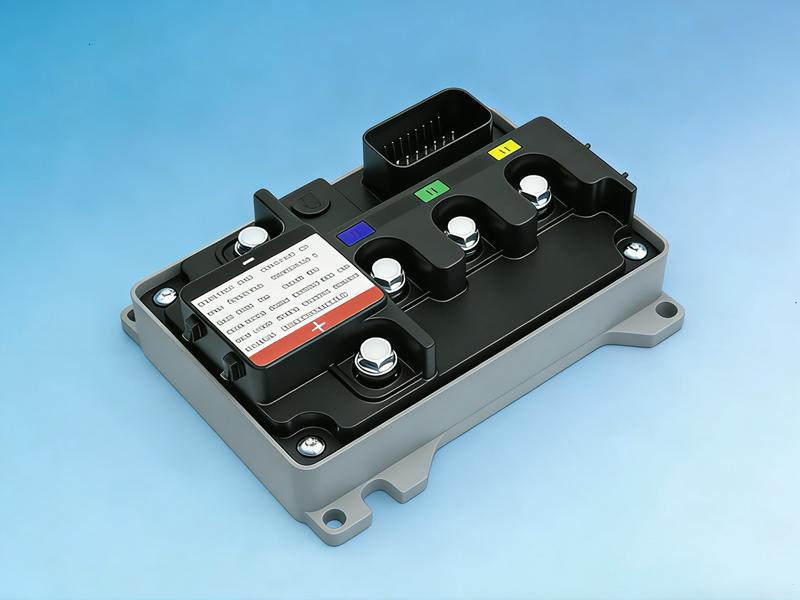
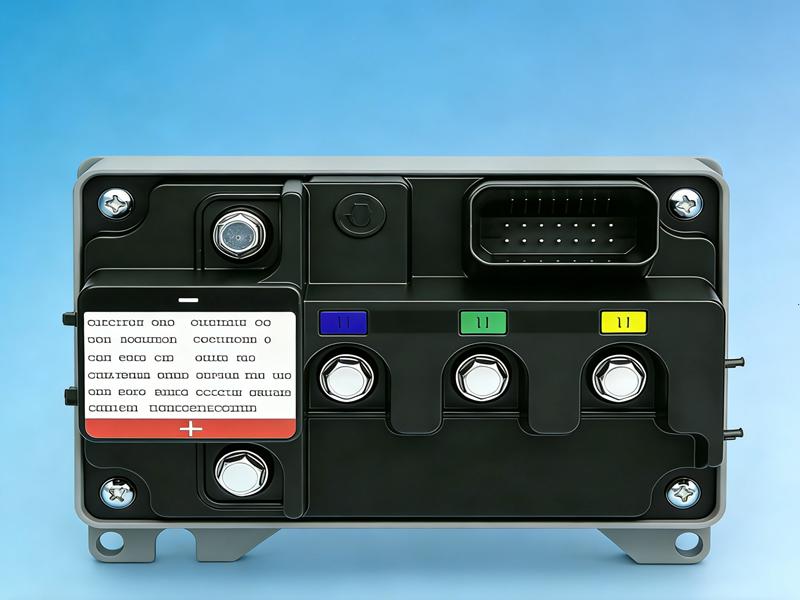
When developing an small electric mobility platform the motor controller is often the most overlooked key component. I have witnessed many R&D teams spending a great deal of effort and time in choosing batteries and motors. In the end, it was discovered that the controller might not be able to output the torque characteristics required by the project. Either the CAN communication network of the vehicle couldn't be successfully connected, or the extensive work done in the early stage was wasted, and the project progress was also brought to a standstill.Selecting the right bldc motor controller 48v requires looking beyond the basic voltage and current ratings to ensure real-world performance, reliability, and seamless integration.
First and foremost, the actual working voltage range should be given careful attention. The battery is rated at 48 volts. After being fully charged, the voltage often reaches 54 volts or even higher. During heavy loads, climbing slopes or acceleration, the voltage will drop significantly.
If the reserve voltage contained in the controller is insufficient, the mechanism of under-voltage or over-voltage protection may be triggered during driving, causing the vehicle to stop.This is extremely detrimental to safe driving and will also significantly reduce the driving experience.Look for a brushless dc motor controller 48v that specifies a wide operating range, typically from 30V to 60V, to accommodate real-world battery fluctuations without interrupting operation.
Evaluating Continuous Current and Thermal Limits
The actual performance at present is equally crucial, and one should not merely rely on the peak values shown in the parameter table. In many controller parameters, there are indications of very high peak currents. However, due to limitations in heat dissipation conditions, these currents can only be maintained for a short period of time. Soon after, they will be limited and the load will be reduced.However, when climbing slopes or quickly integrating into the main road, the controller needs to provide a stable current output for a long time and should not experience a sudden and random drop in power.
Therefore, it is recommended that you must clarify this: under the actual working temperature, how much current can the controller continuously output, and is it actively dissipating heat or only relying on passive natural heat dissipation. The quality of the heat dissipation design is the key to determining whether the vehicle can be used for a long time.
Checking Communication Protocol Compatibility
Communication protocol compatibility often becomes a hidden integration challenge. Currently, the majority of vehicle platforms support CAN bus for full vehicle communication. However, some controllers can only provide simple analog signals or serial port communication.If your vehicle model needs to receive vehicle control system torque instructions, collaborate with regenerative braking, or upload diagnostic data, you must confirm in advance whether the controller can support the precise communication protocol used in your system.
Once an incompatibility occurs, it is very likely that one will have to go back and modify the software, which will not only take several months but also delay the progress of the entire project.
From two rounds to multiple rounds
These selection principles are also applicable to manufacturers of electric freight tricycles, community transportation vehicles, and various low-speed operation vehicles, etc.In fact, the ebike motor controller market has driven significant innovation in compact, efficient 48V designs, and many of those technological advances—such as field-oriented control and silent operation—are now being adopted in high-performance for light EVs.
The Importance of Customized Services
Finally, the customization capability of the suppliers should also be regarded as a key factor. Although the universal controllers are convenient to use, they are difficult to precisely match the torque curves, pedal mappings, or regenerative braking strategies required by the vehicle platform.
During both the product development and mass production stages, if the suppliers can achieve a high level of coordination in firmware optimization and system integration, the project progress will definitely be accelerated rapidly.When selecting a 48V DC brushless motor controller, the core is to ensure that its electrical parameters, heat dissipation design, communication compatibility, and supporting technical services are highly compatible with the actual operating scenarios of the vehicle. Before the finalization of the plan, the task at hand is to thoroughly evaluate each of these key points. This will prevent integration delays during mass production from occurring at the very beginning and also reduce the risk of performance failures after the product is launched.

 Product categories